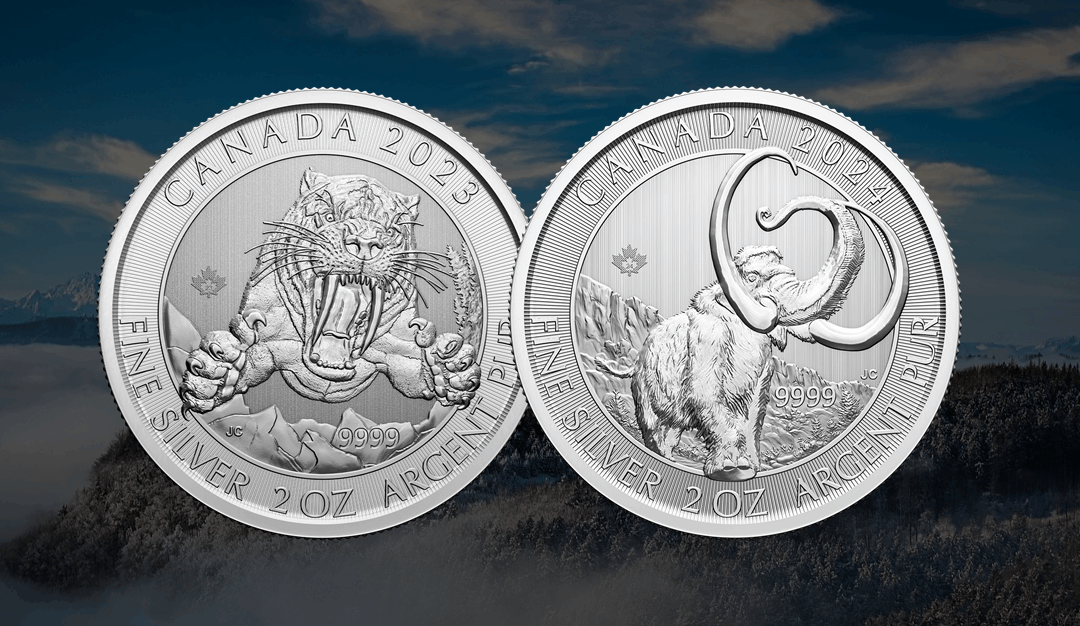
Silver-plated items often sit in an awkward middle ground, too valuable to toss, but not quite valuable for silver. Whether it’s plated copper trays, brass candlesticks, or older pieces with lead components or bases, knowing how to properly dispose of (or profit from) them can save you time, effort, and even put a little money in your pocket.
What Is Silver-Plated, Really?
Silver-plated items are made by bonding a thin layer of silver onto a base metal, commonly copper, brass, nickel, or sometimes bases that may contain lead (especially in older antiques). Unlike solid silver items, the silver content is minimal, which affects both value and disposal options.
Can You Sell Silver-Plated Items?
Short answer: sometimes, but not for their silver content.
Because the silver layer is so thin, most refiners won’t pay for plated items. However, you can still get value in other ways:
- Antique or vintage appeal: Decorative trays, tea sets, and flatware may have resale value.
- Brand recognition: Certain makers (like vintage English or European sets) can fetch a price in a private sale.
- Bulk resale: Some buyers purchase large quantities for repurposing or scrap sorting.
At Canada Gold, we can help assess whether your items have resale or collectible value before you consider disposal.
What About Recycling?
If selling isn’t an option, recycling is your next best option, and it depends on the base metal of the piece.
1. Silver-Plated Copper
- Copper has a strong scrap value.
- However, plating reduces its purity, so scrapyards may pay less.
- Some yards accept it as “mixed metal” or “low-grade copper.”
2. Silver-Plated Brass
- Brass is also recyclable and has moderate value.
- Like copper, plating lowers the price tier.
- Often grouped into mixed brass scrap categories.
3. Silver-Plated Items with Lead
- Common in older hollow-ware, weighted bases, or reinforced handles.
- These require special handling due to environmental and health risks. They cannot just be thrown out into landfills.
- Must be taken to facilities that accept hazardous or mixed-metal waste.
Best Practices:
- Avoid putting them in standard recycling bins
- Bring them to a metal recycling depot
- For items with possible lead, use a hazardous waste facility
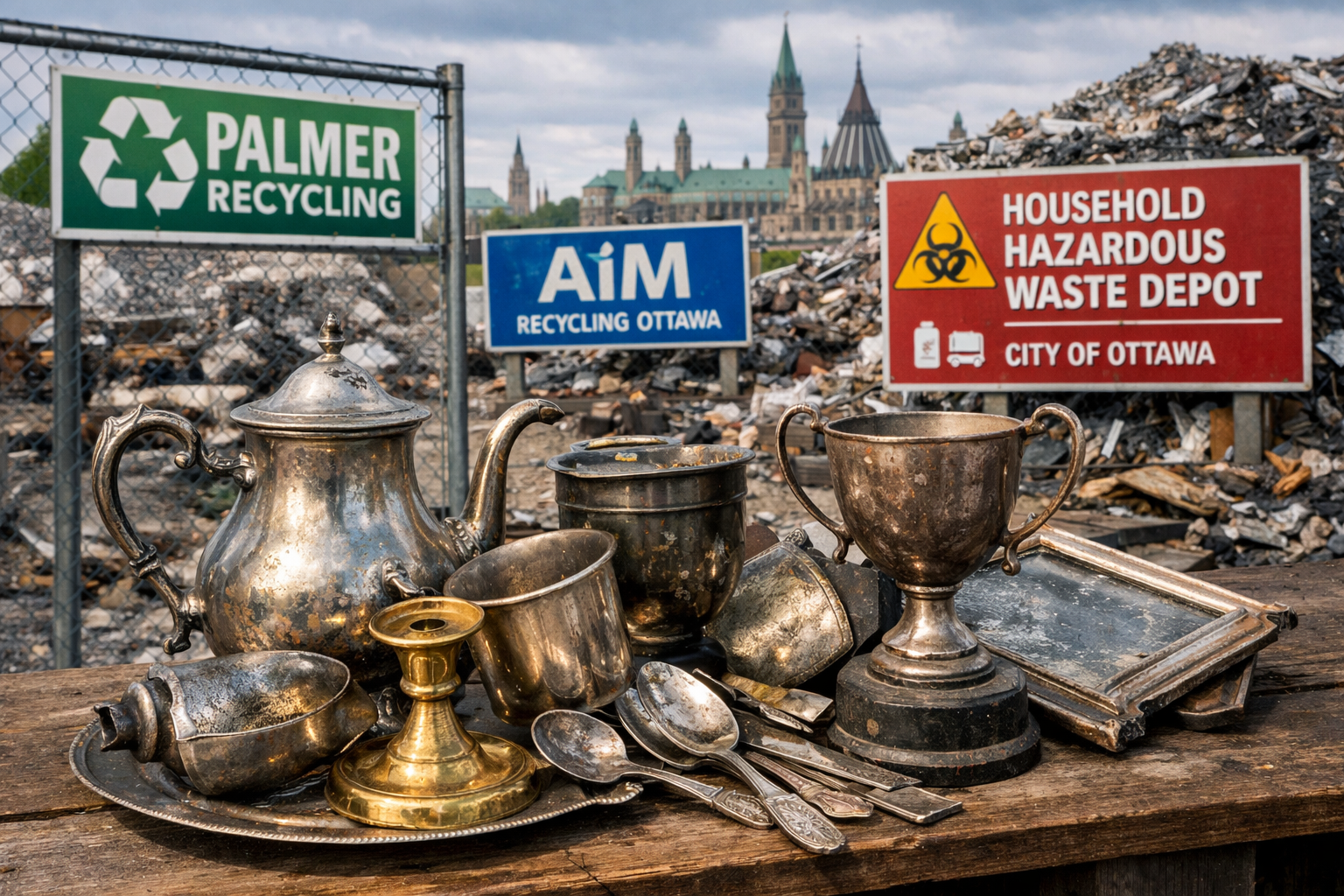
** Depending on your area, some municipalities hold recycle hazardous waste events. An example of this is Ottawa. The City of Ottawa offers a Household Hazardous Waste Depot, a free, one-day event run by the city for residential hazardous waste. There are also scrap facilities in some cities that accept and dispose of these items.
Creative Alternatives (Before You Toss Them)
Before you say goodbye, consider:
- Upcycling into home décor (planters, candleholders)
- Donating to thrift stores or prop houses
- Repurposing for crafts or displays
Sometimes the value isn’t in the metal, but in the aesthetic.
Silver-plated items do not hold a melt value of solid silver, but they’re far from worthless. Between resale potential, scrap recycling, and creative reuse, there are tons of options.
If you’re unsure what you have, we welcome you to bring it into Canada Gold. We’ll help you determine whether it belongs in the resale pile, the donation bin or somewhere in between.
— Written by Ashley, Precious Metals Analyst at Canada Gold – Ottawa